What Is Thyroid Eye Disease?
Thyroid eye disease evaluation and treatment can help relieve symptoms, protect vision and improve eye comfort. Thyroid eye disease (TED) is an autoimmune condition that causes inflammation of the muscles and tissues surrounding the eyes.
It is most commonly associated with Graves’ disease, although it can also occur in people with other thyroid disorders or, less commonly, in those with normal thyroid function.
The condition may develop gradually and can affect one or both eyes. Early diagnosis and appropriate treatment are important for preventing complications and preserving long-term eye health.
What Are Common Symptoms of Thyroid Eye Disease?
Symptoms of thyroid eye disease can range from mild irritation to more serious vision problems. They often worsen during the active inflammatory phase of the disease.
Common symptoms include:
- Bulging or protruding eyes
- Dry, gritty or irritated eyes
- Redness and swelling around the eyes
- Excessive tearing
- Eye pain or pressure
- Sensitivity to light
- Double vision
- Difficulty fully closing the eyelids
- Blurred or decreased vision in more advanced cases
If you experience sudden vision loss or severe eye pain, seek immediate medical attention.
How Is Thyroid Eye Disease Diagnosed?
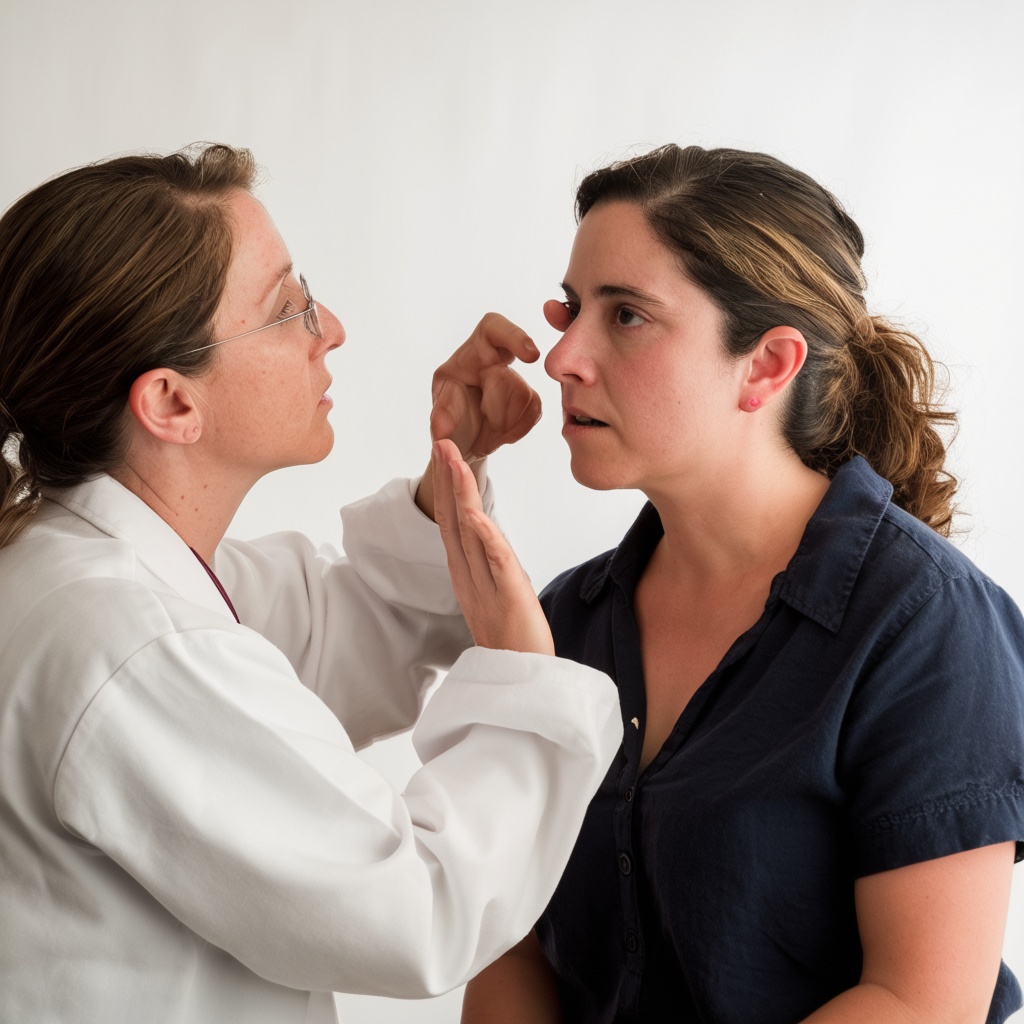
Diagnosing thyroid eye disease begins with a review of your symptoms, medical history and thyroid health. Your healthcare provider will perform a physical examination and evaluate changes in your eyes, eyelids and vision.
Blood tests may be recommended to assess thyroid hormone levels and identify autoimmune thyroid disease. Depending on your symptoms, imaging studies such as CT or MRI scans may be used to evaluate inflammation of the eye muscles and surrounding tissues. Because thyroid eye disease can affect vision, referral to an ophthalmologist is often an important part of the diagnostic process.
How Is This Condition Treated?
The goal of thyroid eye disease treatment is to reduce inflammation, protect vision and improve comfort. Treatment depends on the severity of the condition and whether the disease is in its active or stable phase.
Treatment may include lubricating eye drops, medications to reduce inflammation, biologic therapies for moderate to severe disease and careful management of underlying thyroid disorders. Wearing sunglasses, elevating the head while sleeping and avoiding smoking can also help reduce symptoms. In more advanced cases, surgery may be recommended to relieve pressure around the eyes or correct eyelid and vision problems.
Without appropriate treatment, thyroid eye disease can lead to persistent double vision, corneal damage and, in rare cases, permanent vision loss. Early intervention helps reduce these risks and supports better long-term outcomes.
Where Can I Get the Best Thyroid Eye Disease Care in Marshfield, MA?
If you are experiencing eye irritation, bulging eyes, double vision or other symptoms associated with thyroid disease, discussing thyroid eye disease and treatment with an experienced healthcare provider is an important first step. Early evaluation can help identify the condition and ensure timely referral for specialized care when needed.
The team at Pembroke Primary Care provides comprehensive evaluations, monitors thyroid health and coordinates care with endocrinology and ophthalmology specialists to help patients manage thyroid eye disease effectively.
If you are looking for compassionate thyroid eye disease care in Marshfield, MA, call Pembroke Primary Care at 781-826-3838 to schedule an appointment and begin your personalized care plan.