
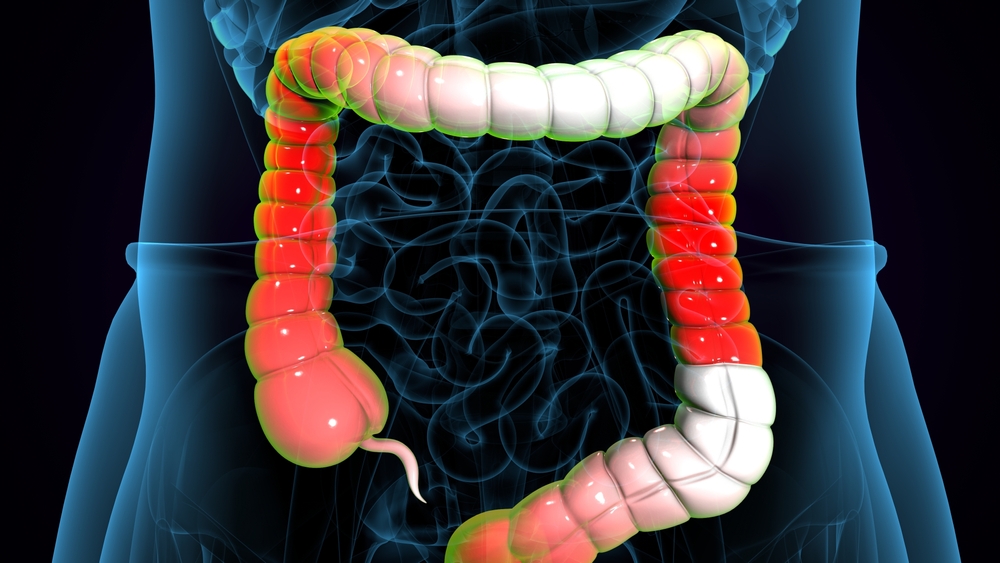
What Is Ulcerative Colitis?
Ulcerative colitis treatment and digestive health are essential for managing this chronic inflammatory bowel disease (IBD), reducing flare-ups and improving quality of life.
Ulcerative colitis causes inflammation and sores, known as ulcers, in the lining of the large intestine and rectum. Unlike some other digestive disorders, the inflammation is limited to the colon but can still cause significant discomfort and long-term complications if left untreated.
Symptoms often alternate between periods of remission and active flare-ups. Early diagnosis and consistent medical care can help control inflammation and protect long-term digestive health.
What Are Common Symptoms of Ulcerative Colitis?
Symptoms vary depending on the severity of inflammation and the portion of the colon that is affected. Some people experience mild symptoms, while others have more frequent or severe flare-ups.
Common symptoms include:
- Frequent diarrhea, often with blood or mucus
- Abdominal pain and cramping
- Urgent bowel movements
- Rectal bleeding
- Fatigue
- Unexplained weight loss
- Reduced appetite
- Fever during severe flare-ups
Some individuals may also develop joint pain, skin irritation or eye inflammation associated with the disease.
How Is Ulcerative Colitis Diagnosed?
Diagnosing ulcerative colitis begins with a review of your symptoms, medical history and a physical examination. Your healthcare provider may recommend several tests to confirm the diagnosis and rule out other digestive conditions.
Blood tests can identify signs of inflammation or anemia, while stool testing helps rule out infections. A colonoscopy is commonly performed to examine the lining of the colon and obtain tissue samples for biopsy. Imaging studies such as CT scans may also be recommended in certain situations to evaluate the extent of inflammation or identify complications.
How Is This Condition Treated?
The goal of ulcerative colitis is to reduce inflammation, relieve symptoms, prevent flare-ups and maintain long-term remission. Treatment plans are individualized based on disease severity and each patient’s overall health.
Treatment may include anti-inflammatory medications, immune system suppressants, biologic therapies and nutritional guidance. Lifestyle modifications, including stress management and dietary adjustments, may also help reduce symptoms. In severe cases or when medications are no longer effective, surgery to remove the colon may be recommended.
Without proper treatment, ulcerative colitis can lead to severe bleeding, dehydration, colon damage, an increased risk of colon cancer and other serious complications. Regular follow-up appointments help ensure treatment remains effective as the condition changes over time.
Where Can I Get the Best Ulcerative Colitis Care in Marshfield, MA?
If you are experiencing persistent abdominal pain, bloody diarrhea or other digestive symptoms, discussing ulcerative colitis treatment and digestive health with an experienced healthcare provider is an important first step. Early diagnosis and personalized treatment can help control symptoms and improve your overall well-being.
The team at Pembroke Primary Care provides comprehensive evaluations, coordinates diagnostic testing and works closely with gastroenterology specialists to help patients effectively manage ulcerative colitis.
If you are looking for compassionate ulcerative colitis care in Marshfield, MA, call Pembroke Primary Care at 781-826-3838 to schedule an appointment and begin your personalized treatment plan.